my unfinished work
littered with brittle browns
deepening shadows —
autumn’s reds and yellows
forsaking their offering
—
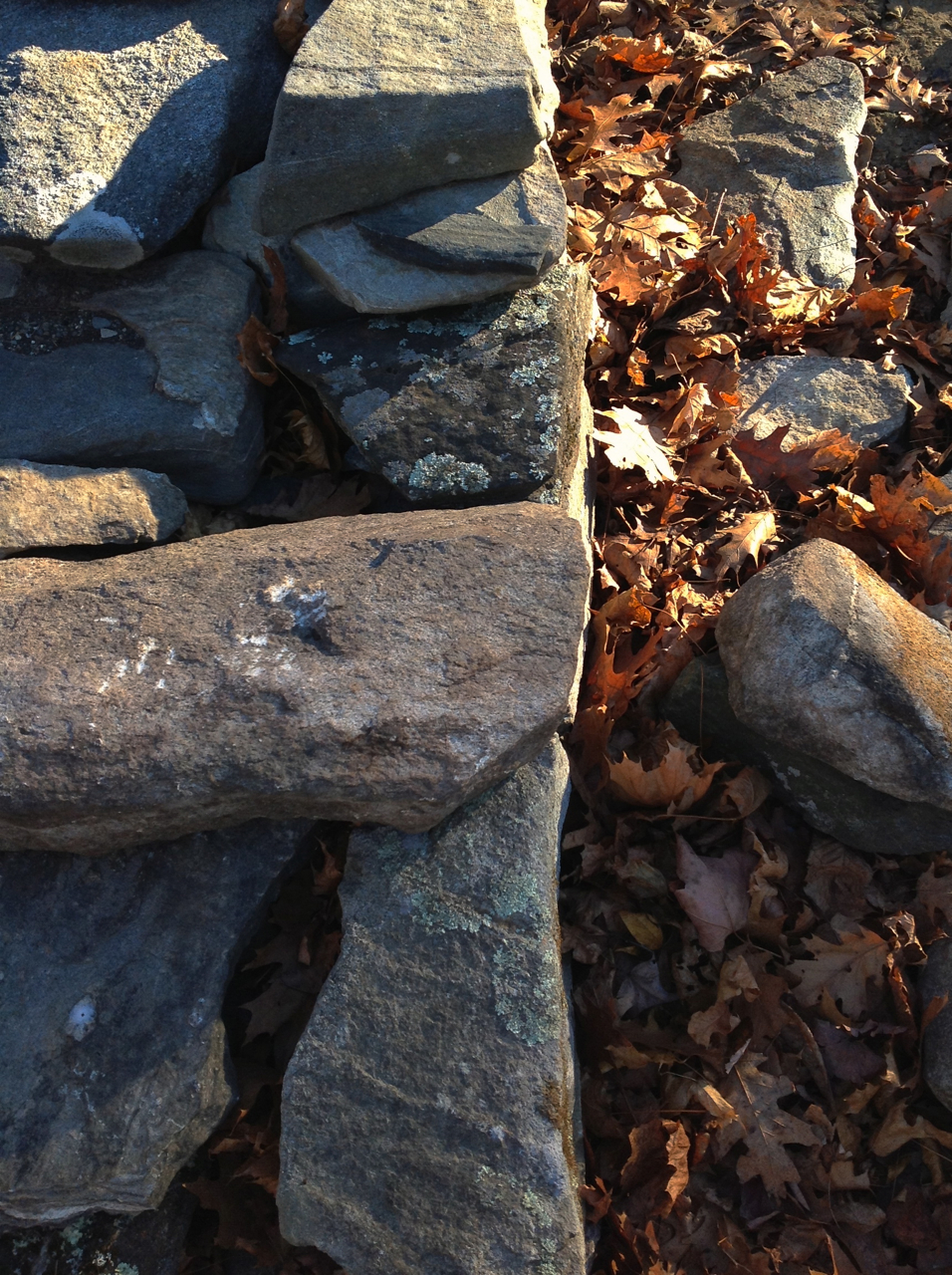
It was one year ago today I took the photograph that inspired my first tanka. It has been a less prolific season this year.
my unfinished work
littered with brittle browns
deepening shadows —
autumn’s reds and yellows
forsaking their offering
—
It was one year ago today I took the photograph that inspired my first tanka. It has been a less prolific season this year.
Perhaps I will try one more time
to run away from my dissatisfaction,
despite what the Buddha tells me.
I’d like to linger just a bit longer
at the breakfast table
amid striped pyjamas and cereal crumbs;
replace the broken panes of glass
in the porch and attic windows
to hold back the winter chill —
to sit
and leave space for two breaths
instead of one.
I may not be strong enough
for the weight of our tears,
or for end-of-day regrets.
I fear I am not strong enough
for the leaves that keep falling,
for each sun-drenched morning,
or the last whispers of childhood.
Three poems —
one about the love
in a small bag of pistachios —
and two works of prose
sit unwritten in my notebook;
the spaces aren’t big enough.
Yet, finally,
as the sun rises,
I call my daughter
out to the front steps
where we sit and talk about
yesterday’s and the morning’s
cloud formations
and what they may tell us
about the weather to come.
She watches her own breath
in the cool morning air,
describes the difference between
cirrus and altocumulus,
and asks me my favorite.
In a few hours time, I’ll be seated on a zafu and zabuton at the Temple, where I will sit for sesshin until Monday, rising for dokusan, sleep, kinhin, and to serve meals.
Outside, the sun will set and then rise to shine through autumn-colored leaves while small animals collect winter food. Cars and trucks will move down the road in front of the Temple as people inside them tune radios, make phone calls, and converse with friends and family.
Farther away, my wife and children will shuttle back and forth to soccer games and gymnastics, laughing, running, probably arguing too. We may take tea at the same time, not seeing but perhaps knowing.
Each of us will chase thoughts before stumbling upon moments of rest. We will cry. We will take breaths and release them, feeling the air around us, shouting and whispering.
When I catalogue my regrets
at the end of the day,
I won’t include the moments we spent sitting
at the small table in the living room.
The old-fashioned fire whistle,
remnant of summoning volunteers
across the town,
punctured our long silence —
you picked up your head only briefly
from the sea-blue magic marker
before returning to your work,
tongue pressed in concentration
against your cheek.
We laughed gently about
a pair of dogs we could see
through the window
and across the street
jostling in the slanted afternoon sun.
You asked me not to leave —
yet there was never any chance;
my movement only a reach to the floor
for the morning’s leftover mug and a
sip of luke-warm coffee.
rough stones and moss
made slick by humid air
gather fallen leaves —
unsure footsteps and silence
grace summer’s indecision
—
I have typically posted tanka accompanied, and inspired, by an photograph. The image here is in my mind only, placed there on a late summer, quiet afternoon walk through the woods, unaccompanied by my camera or technology of any sort. I was disappointed at first not to be able to capture the moment…yet the words can do it justice, and the feat is unattainable in any event.
Sitting in fold-up chairs
behind the old brick municipal center
that once was an elementary school —
where paint is chipping from windows and
a cluster of two-by-fours and plywood
leans awkwardly against the battered dumpster —
we sip coffee from styrofoam cups and
watch our lives run,
exhorting our children with shouts
through an early autumn breeze,
as if the result of the game
meant more than a Saturday morning.
The first leaves flutter to the ground
out of a cobalt sky
as we turn momentarily
away from the field
toward idle conversation.
He means well and offers connection
when he remarks how the children have grown,
that it won’t be too long before they aren’t around.
My daughter blinks her eyes
while my son mouths to me that
it isn’t true.
My own sense of the truth of his words
doesn’t make them welcome in the moment
of which they are now an indelible part.
I was never more proud of my son than I was that day, just a few weeks ago. Thank goodness that has worn away, so I can keep loving him for who he is.
My wife and I have been working on a landscaping project at the house, converting a thousand-square foot area from grass to perennials and herbs. Grass never grew well in this south-facing area, and I am excited about having even more fresh flowers to cut in future years. As a part of the project, I decided to replace a section of fence with a dry stone wall and to install a border of paving stones between the driveway and this new garden.
A couple of weeks back, the day’s work involved digging a trench for the pavers, sixty feet long and about a foot wide. Being next to an old asphalt driveway laid on top of New England clay soil, there wasn’t much easy digging. As I went, I worked to save the small rocks that came out of the ground, since they would make good fill around the base of the stone wall. This meant sifting out the dirt and sorting the stones into different piles. One foot at a time, on a very warm August Saturday.
My son shuffled towards me relatively early in the day. Can I help, Dad?
I thought for a second about what he might be able to do. My initial reaction was that he wouldn’t be able to help. The pick axe is too heavy for him, I thought. The weight of stones themselves, while small, would add up quickly, and they needed to be piled a good fifty feet from where I was working. The wheelbarrow is too big for him to manage.
Sure, I said, still thinking. Go get a bucket, one of the big ones. And put some good shoes on.
 bussokuseki