Tag Archives: impermanence

Worn into the Fabric

A pair of corduroy pants
sit folded on the ironing board,
their faded blue almost grey
in the early morning light.

They have passed in turn
from each of our children
to the next,
stories of young lives
worn into the fabric.

The ridges have been
diminished by the seasons
in places where they have bent
for a doll or a puddle,
or knelt for a story,
leaving nearly smooth,
but still patterned,
softness.

They are now too small
for any of our family —
yet my wife has pinned
a piece of cloth,
edges folded and ironed
neatly for sewing,
over a hole in the knee.

She’ll stitch them carefully together
one evening as we sit.

I haven’t asked her why —

perhaps she hopes our youngest
may wear them one more time,
or there is something else
her patching might repair.

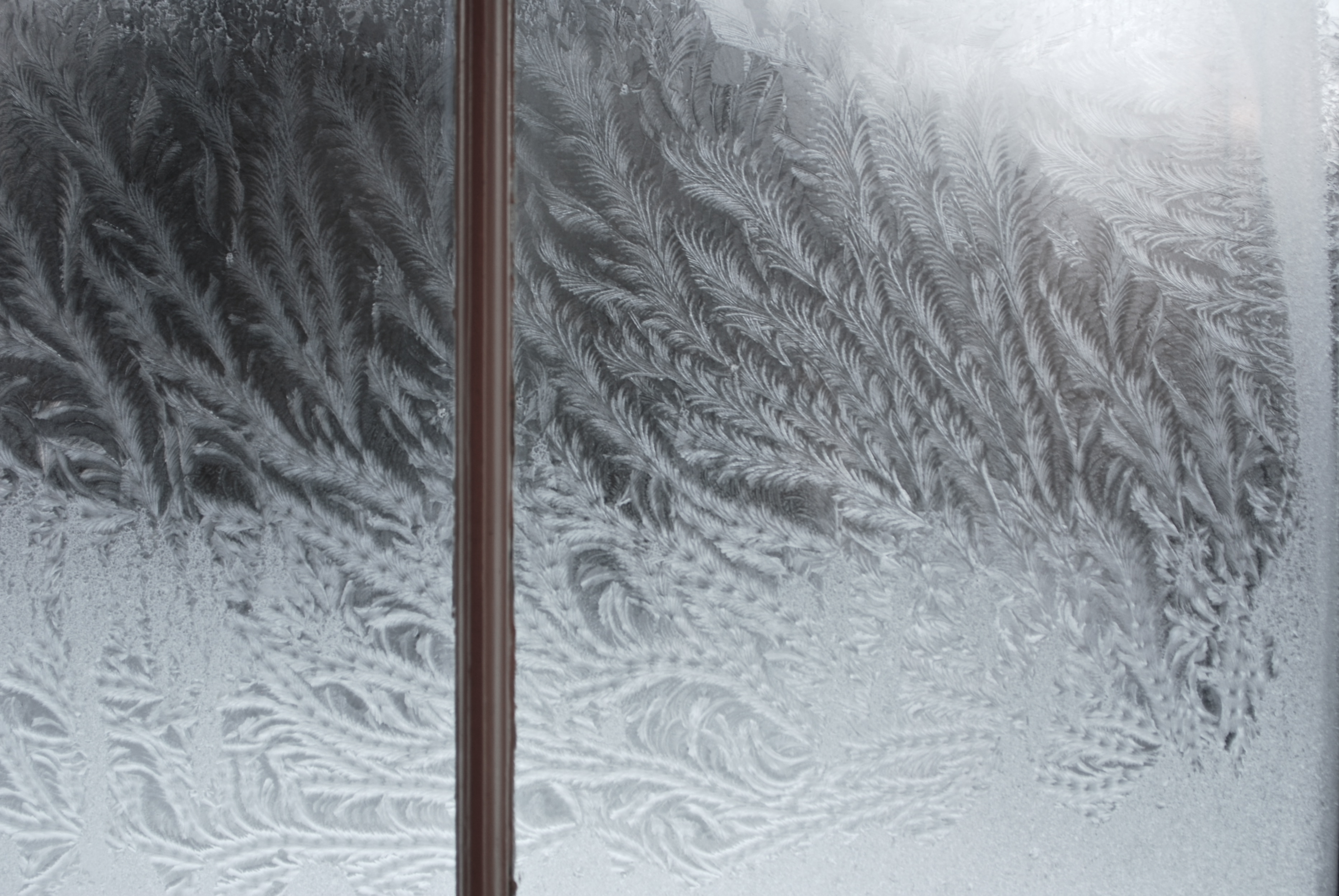
Tanka #3

hundreds of winters
have loosened the barriers
between wind and warmth —
the coldest mornings leave gifts,
delicate intermingling

DSC_0216
 

Winter Haiku #2

breathless light struggles —
long shadows arrive early
in the day’s passing

I feel like I’ve been writing around the edges recently. Circling around words that need to be expressed but aren’t ready to be committed. My notebook is littered with opening lines and untitled strings of paragraphs that don’t quite go together. This haiku managed to emerge complete, perhaps a part of circling inward. It is, in any event, one step next to another step, and what this moment holds.

Exhalation

I have been holding my breath again,
not leaving you much choice
but to wait.

This has always been my first response
when frightened —
but you learned this years ago.

I feel
your yearning
to speak
after the children have been tucked in
(we wouldn’t be interrupted)
and as the tea kettle births
steam onto the darkened window;

your abiding
in the deep quiet
(so ripe)
that hours later
envelopes us in our bed.

But exhalation
gives life to fear —
merely scratching out a poem,
lightly and in pencil,
would risk too much.

So you bear the silence for us,
even as our skin touches,
the cold back of your thigh
reminding me
you are there,
giving me everything
just by lying still,
waiting for me to breathe.

Margin Notes

Thumbing through the copy of
Merton’s Birds of Appetite
she found on our living room shelf,

my wife asks me who it had belonged to,
curious about the writing in the margins.

I look and recognize the hand of an old friend;
we used to talk about Zen and Shakespeare.

She wonders if I ever hear from her —
but I have grown so much quieter,
and I can’t bear to intrude
upon spaces so large.

What would I say?

A Winter’s Vacation

A long day apart
followed by another
will make these tender ones remote —

but late at night
passing an upstairs window
and caught by the moon
as it mingles with the dim street lamp,

I will pause,

and notice the overlapping snowshoe paths
behind the house,
evidence of our time together.
 

Buddha Nature

Dear ones lie still,
near and peaceful,

yet quiet has settled too deeply,
darkness persistent, final —

can these shallow breaths
be the full completion of Dogen;

sudden loneliness,
truly buddha nature;

restlessness,
realization;

misgiving,
it?
 

Antique Doors

I salvaged a set of antique doors
that were piled in a yard
close by the ocean
with other detritus
from a torn-down house.

Hoping the owner would let me take them,
I talked with him
and listened to his stories
about who had passed through them,
what rooms they had separated.

It isn’t easy to find ones just so,
with the hardware still intact.

Perhaps if I hold on to them,
I thought,
and shape them here or there,
they’ll fill up gaps —
shut out the draft from the
old ice-box pantry,
dampen the kitchen noise that drifts
so easily up the stairs
when our children are sleeping.

But I wonder
if I will have time to use them,
or if someday
someone will come
and collect them from me.
 
DSC_0012

Fatherhood and the Five Remembrances

As a part of our sutra service at the temple, we regularly chant the Five Remembrances. Intended by the Buddha to ward off an impression of permanence in our current existence, these ancient words remind us that we are of the nature to die, and that we cannot escape separation from those who are dear to us.

It is stark reality – but it isn’t while chanting at the temple that I feel the weight of this realization.

Last night, in the brief interim between the frenzy of the day and the full silence of night, my wife and I were talking about our children. I commented about the way in which our youngest son had greeted me when I arrived home from work. He ran to me with a stack of coupons he had cut out of a junk mail flyer from the local warehouse store. We stood in the middle of the kitchen, the table being set, the oven opening and closing, his brother and sister whirling around us. He wanted to sit right there, right then, and show me. Later on, I wondered aloud to my wife about what had held him there. Was it the coupons themselves that he was so eager to share? Was it his pride in the careful cutting? Or was it just the chance be together, no matter what was at the center of it or what was going on around us?

My son is always reaching into my back pocket, looking for my phone to take pictures. He takes snapshots of crayon boxes, books on the floor, our feet together on a stool, cookies cooling on the counter, and toy dragons on windowsills. Pictures of each room, doorway, lamp, and family member. Hundreds of them at a time. It clogs the memory on my phone, and we try not to have our kids spend too much time with electronics. But I always give in when he asks. Each time I hear the shutter click, I feel his joy and his presence in that moment.

So when he was perusing and clipping these junk mail coupons earlier in the afternoon, my wife remembered, he had paused when he came across a camera. Could I get a camera, he asked her. She replied that maybe he should put it on his Christmas list. She showed me how his eyes brightened as he offered, Or maybe I should get a phone.

I could see his face in my mind as my wife finished this story and as I walked toward the kitchen to make the next day’s coffee. I could imagine his deep pleasure at the idea of having his own phone with which to take endless pictures. I reveled, as I reached into the cupboard, in how much I adore him.

Then, in the time it took to pull down the box of coffee filters from the second shelf, the warmth of that adoration was swiftly swallowed whole by the remembrance of change. My change, his change. The remembrance that I am of the nature to die, of the nature to be separated from him. From everyone. From everything. The feeling sank deep into my gut, an impossibly heavy mixture of sadness, anger, and confusion.

Some say the words of the Five Remembrances help them to live in the present moment. I didn’t have the sutra in mind then, but I did make an effort to stand in the kitchen and accept all that was being offered, that koan pulling deep inside me. Mostly, it was a moment filled with wanting desperately to go and wake up my son, to watch him walk about taking pictures, then sit closely and talk about the ones we liked best. Would it matter how tightly I held him?

The Five Remembrances

I am of the nature to grow old.
  There is no way to escape growing old.
I am of the nature to have ill health.
  there is no way to escape having ill health.
I am of the nature to die.
  There is no way to escape death.
All that is dear to me, and everyone I love, are of the nature of change.
  There is no way to escape being separated from them.
My deeds are my closest companions.
  I am the beneficiary of my deeds.
  My deeds are the ground on which I stand.